Last time, Arlene and I talked about self love. You can view our first collaboration post here. This time around, the focus is on trying to move on mistakes or traumas. We decided to write letters to ourselves, and post the letters on each other’s blogs. Below, you will find Arlene’s letter to herself:
Dear Angie,
Your life has been about overcoming challenges, breaking through barriers, and moving
forward. Ironically, I know you’ve never asked for much, yet the love and support you’ve longed for seem out of reach. I want you
to realize how proud I am of your resilience and how far you’ve come. I can’t think of anyone else who has faced the trials you have and decided to rise above them. You’ve had the perfect excuse to give up if you wanted to.
I understand how exhausting and draining it can be a
t times. Seeing how much of a journey still lies ahead can be disheartening. It’s like swirling the entire ocean, only to find that the shore is still
far away.
Now that you have the incredible tools and knowledge you wish you had from the beginning, it brings up an inevitable question: If you know what you have left to do, why don’t you do it?
We both know you know better, so What’s holding you back from moving on, dear?
I know you’ve been trying to take care of your mom for as long as you can remember.
Despite your efforts to detach, surrender, accept, honor, and support her, it seems there’s still a small yet big step to take.
Acceptance and
resistance both have many layers. You might think you’ve moved past something until it catches you off guard.
Spending each day by your mother’s side causes you sorrow and drains your energy. It’s challenging to accept that there’s nothing more you can do for her
, and both of you need to move on. With numerous changes and challenges, you need to continue with your life, while she needs to follow the natural course of life as well. The days seem long and unbearable for her.
Facing the inevitable, especially knowing she wants to move out of your home
, feels like you’re pulling a trigger in a way. It’s like a one-way ticket.
The thought of a care facility is burdensome and unpleasant to you. Ironically, your mother would be better cared for there than at home, and it would also give you a break from the
the constant stress of dealing with nurses, medicines, and everything else.
Maybe deep down, you know it’s not just
about her; it’s about your whole life
changing. The uncertainty of what’s to come is
both exhilarating and terrifying. Perhaps you’re using the situation with your mom as a shield, almost a symbol.
She is the last link you have with your known life of origin. Everything else seems to be spiraling. It’s a positive spiral, yes, but a dizzying one. Your whole life is new.
I understand you may feel alone in the world
.I encourage you to continue your spiritual journey, filling the void, and moving on with love and purpose.
Keep moving forward, Angie.
About Arlene
Arlene is a blogger, Systemic & Family Constellation Practitioner, Energy Healer, and Trauma Specialization student. You can click here to visit her blog. You can also visit Arlene on social media and say hello!
I was born with a genetic disorder, and this disorder can lead to learning difficulties. Growing up, my parents worked very hard to make sure I was in a classroom with general education children. They noticed most of the children in special education classrooms in the schools I was attending had behavioral problems, and were very disrespectful to the teachers. My parents were afraid I wouldn’t learn in that kind of environment, and that I would probably even get bullied. It wasn’t until I got older when I realized that the behavior of the other students with disabilities was unacceptable, even if they were special needs students. The same goes for people with mental illness.
I suffered from mental illness for a long time. Since childhood, but it wasn’t until 2019 when I finally decided to see a specialist for my depression. I was diagnosed with depression immediately. A few months later, I was also diagnosed with Borderline Personalty Disorder. I’d never heard of borderline personality disorder until I was diagnosed, so I didn’t waste any time googling it. It didn’t take long for me to find out how stigmatized the condition is.
But what is borderline personality disorder or BPD? According to the National Alliance on Mental Illness (NAMI), BPD is Borderline Personality Disorder (BPD) “is a condition characterized by difficulties regulating emotion. This means that people who experience BPD feel emotions intensely and for extended periods of time, and it is harder for them to return to a stable baseline after an emotionally triggering event”. Symptoms of BPD, according to NAMI, include “frantic efforts to avoid real or imagined abandonment by friends and family; unstable personal relationships that alternate between idealization (“I’m so in love!”) and devaluation (“I hate her”)…sometimes known as ‘splitting’; impulsive behaviors that can have dangerous outcomes, such as excessive spending, unsafe sex, reckless driving, or misuse or overuse of substances; self-harming behavior including suicidal threats or attempts; periods of intense depressed mood, irritability or anxiety lasting a few hours to a few days; and inappropriate, intense or uncontrollable anger—often followed by shame and guilt”.
The symptoms show that forming and maintaining relationships is one of the biggest struggles for people with BPD. This includes relationships in the work place and with the medical team. This has made BPD gain the reputation in the medical field as a very difficult condition to deal with, and even mental health professionals sometimes refuse to work with people who have the condition. All over the Internet, one can find books, blog posts, and videos about surviving an experience with people who have BPD. Whenever someone commits a crime, people would often assume the person has a mental illness. In the films “Fatal Attraction” and “Acrimony”, a in the movies are so bitter and their behaviors so destructive that their stories end tragically. The characters in both movies were considered to have Borderline Personality disorder. People with BPD can not seem to live normal lives according to these movies. The well known court case between American actors Johnny Depp and Amber Heard, with Heard being diagnosed with BPD, did not help with the stigma on the condition.
It was because of the stigma on mental illness that it took me so long to see a specialist for my own mental illness. In fact, I didn’t want to accept the fact that I had a mental illness in the first place. After all, people with mental illnesses are violent, and I am not a violent person. At least that was my belief. I don’t know for sure whether Amber Heard has BPD or not, but I do know that she was accused by her husband of domestic abuse. Having a mental illness does not make a person violent or abusive, and if a person has a mental illness, it should not be used as an excuse. Evil people are just that, evil people.
Even though I was a student with special needs, I worked very hard to get good grades. I didn’t use my special needs status as an excuse to to do poorly in my classes. I also did not use my status as an excuse to mistreat my teachers. In the same way I, and many other people with mental illnesses, live normal lives and are not using the fact that we are mentally ill to be violent people.
Our family understood what supporting a kid with a disability feels like because I came into the world that way and it wasn’t easy.
Born breach the doctor thought it was my bottom, but it was my shoulders and he crushed them with the forceps.
Support Children with Disabilities and Tips for Parents and Teachers
I not only was in the hospital for over 3 months, but my parents took me to PT 4 days a week till I was 7 when they transplanted muscle out of my shoulder to my lower arm.
So I understand, but some kids don’t understand and can just be curious. Heck I’ve had adults ask me what’s wrong with my arm, therefore in the hospital for over 3 months, but my parents took me to PT 4 days a week till I was 7 when they transplanted muscle out of my shoulder to my lower arm.
Interested in reading so My mom bought me a book 📖 called, “ LITTLE WOMEN .” I was hooked. To this day, over 65 years later it’s still my favorite book. As an adult I now collect any edition of “ Little Women” and my library has grown.
In this blog post, we will explore some practical tips and helpful resources that parents and teachers can use but before that I wonder if you know how many disabilities kids deal with!
Cerebral palsy ,Learning disability, Attention deficit hyperactivity disorder, Autism spectrum disorder, Hearing loss< Deafblindness< Down syndrome, Spina bifida, and so many more.
Have you ever heard of Angelman Syndrome ?
Angelman Syndrome is a disorder that is caused by the loss of function of a specific gene. This gene is located on the chromosome 15, and it is responsible for providing instructions for making a protein called UBE3A. This protein is essential for normal brain development.
Angelman Syndrome results in characteristic features, such as severe intellectual disability, developmental delays, speech impairment, and problems with movement and balance.
In addition to these physical symptoms, people with Angelman Syndrome often have a happy demeanor and frequently laugh and smile. They may also be attracted to water and have a fascination with lights and movement.
While there is no cure for Angelman Syndrome, early intervention and support can help improve the quality of life for affected individuals and their families.
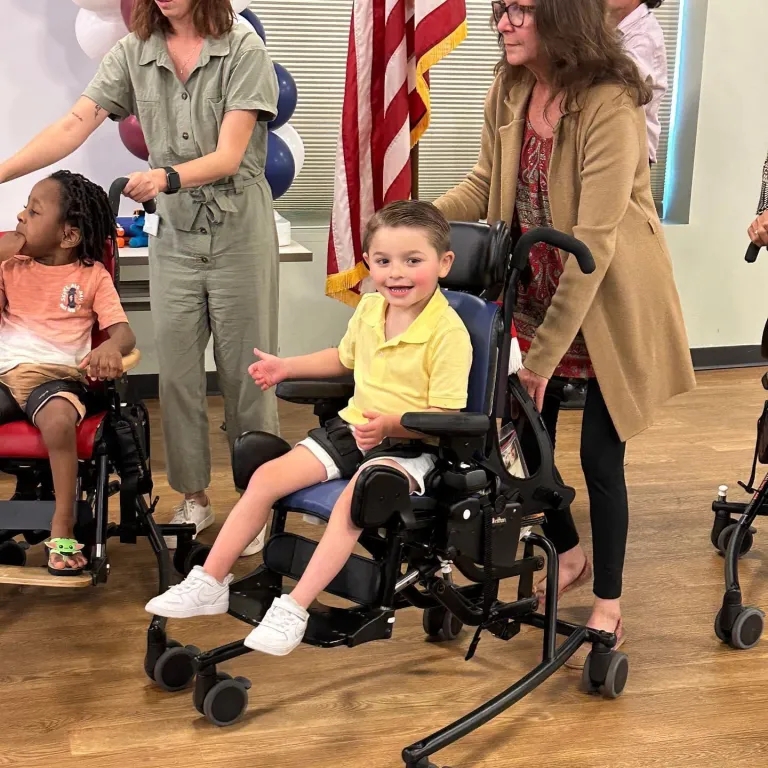
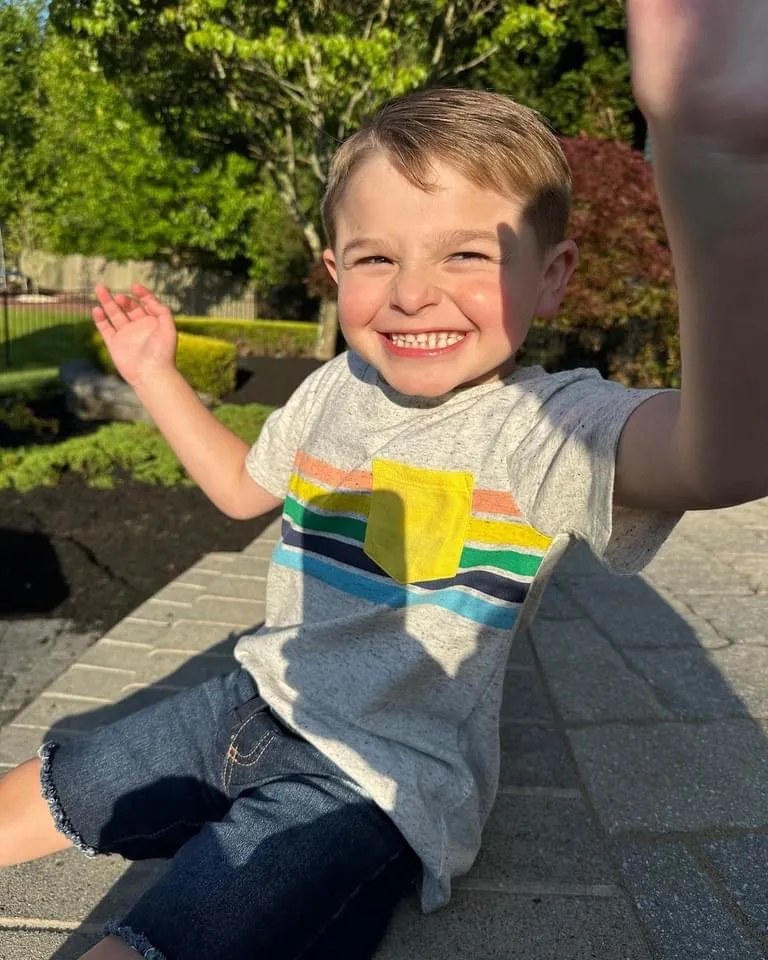
I have a friend whose second child has Angelman Syndrome. They have the most loving family, 3 beautiful children, Colti is their middle child who has this syndrome. They are amazing!
Below are several excerpts from her posts on Facebook.
With her permission I’d like to share with you.
“ In our house we read books about Chromosomes. We talk about our bodies & our brains, how they came to be, how different everyone is, & all of the reasons that those differences are wonderful.
Realistically, we have children’s books about chromosomes because we have a child/sibling that is missing a piece of one of them.
Having a son/brother with Angelman Syndrome has opened our eyes to the big world of children with special needs & just how common it actually is! There is a whoooole lotta “Rare” out there!
Wanting her children to know that different is not scary they bought a book about chromosomes.It’s not weird, or stupid, or messed up, or crazy.
Our brains simply work differently. These are our genes & as long as everyone’s doing the best they can, it is good enough & they are valuable.”
Colti is the cutest little boy and smiles all the time!
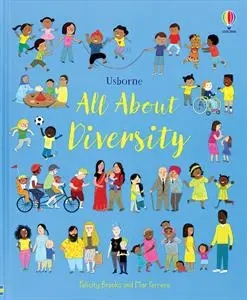
This dynamic and joyous exploration of difference helps young children learn to respond in a kind and equal way to everyone ,
regardless of shape, size, age, physical and mental ability, gender, race, beliefs, language, culture, national identity, background, and so on.
With topics ranging from clothes, hair, music, and food to homes, festivals, and families, there is plenty for children to talk about as they find out about diversity and see how differences relate to them.
Having a different brain is as normal as having a different face. We’re all made a little different & a little the same.
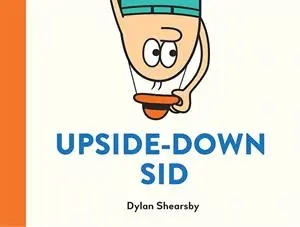
This is a really cute book:
Sid spends most of his time at home. He is upside down, so it’s easier that way. Until, one day, a basketball lands in his breakfast and changes everything.
A book about accepting our differences and the positive ripple effect of including others.
Education is the key to inclusion for all that are considered rare! Whether your born rare or became rare.
So, please! Educate your babies, so babies like mine don’t need to battle anything more than what the universe has handed them.
Another condition is having Bicuspid aortic valve (BAV) is a congenital heart defect that affects the aortic valve, which is responsible for regulating blood flow from the heart to the rest of the body.
BAV occurs when the aortic valve only has two cusps instead of the normal three, which can cause blood to leak backward into the heart.
While some people with BAV live without any symptoms, others may experience a range of heart problems that require careful monitoring and treatment. If you’re a parent or teacher of a child with BAV, here’s what you need to know.
Bicuspid aortic valve is a serious heart condition that requires careful monitoring and management, but with the right treatment and lifestyle choices, many children with BAV can live healthy, fulfilling lives.
As a parent or teacher, it’s important to be informed about the causes, symptoms, diagnosis, and treatment options for BAV,
and to provide support and encouragement to children with this condition as they navigate the challenges of growing up with a heart condition.
With the right care and support, children with BAV can thrive and reach their full potential.
His parents do a yearly fundraiser called
TEAM SUPER COOPER
“ Cooper McGee was born on 2/12/21, he was diagnosed at 6 weeks old with a CHD. After a murmur was heard in the doctors office we went and had an echo at Chop Cardiology.
It was then that Cooper was diagnosed with a bicuspid aortic valve with a moderate stenosis. Cooper is seen by cardiology every 4 months since birth, his stenosis numbers have stayed the same, therefore requiring no cardiac intervention at this point.
He will eventually need undergo a cardiac cath and open heart surgery (we hope that is far down the road). “
“ Our Super Cooper is full of energy and lives everyday to the fullest. You can always count on Cooper to make you smile or give you a hug.
This event is important for us as we walk for Cooper, our heart warrior, in hopes that the funds raised will help in future research to make sure he and all other CHD warriors, gets the best care an outcomes in their care.
“ We participate in the Congenital Heart Walk to support the mission of The Children’s Heart Foundation: to advance the diagnosis, treatment, and prevention of congenital heart defects by funding the most promising research.
As you can see his brother adores little Cooper!”
As you can see this isn’t a physical disability because you don’t look at Cooper and know he has disability!
Just look at the way big brother Jack’s looking at Cooper !!!
Education Awareness
The first step in supporting children with disabilities is to educate yourself on the specific disability that the child is facing.
There are many types of disabilities, each with unique challenges and strengths. Understanding the specific diagnosis can help you better understand how to approach and support the child and their family.
Resources like the National Center for Learning Disabilities and the National Institute of Mental Health have comprehensive information on different types of disabilities. https://www.ncld.org/
Create an Inclusive Environment:
One of the most important things that parents and educators can do is to create an inclusive environment that welcomes children with disabilities.
This includes providing physical accommodations like wheelchair ramps and Braille signage, as well as social accommodations like allowing extra time for assignments or providing a quiet space for children who are easily overwhelmed.
Inclusive classrooms and social situations help children with disabilities feel accepted and valued, which can help them thrive both academically and socially.
And most classrooms have an abundance of books to read to kids and some will let parents borrow them.
Promote Self-Advocacy:
Children with disabilities can benefit from learning how to self-advocate for their own needs and accommodations.
Parents and educators can empower children with disabilities by teaching them to ask for help when they need it, to articulate their needs and preferences, and to advocate for themselves in social situations.
Self-advocacy helps children with disabilities build confidence and become more independent.
Offer Emotional Support:
Children with disabilities may face additional emotional and social challenges that can be difficult to manage.
Parents and educators can offer emotional support by actively listening to the child, providing emotional validation, and connecting the child with resources like supportive counseling or peer support groups.
Emotional support can help children with disabilities cope with the unique challenges they face and develop resilience.
Partner with Parents and Caregivers:
Parents and caregivers are essential partners in supporting children with disabilities.
Regular communication and collaboration between parents, caregivers, and educators can help ensure that the child’s needs are being met and that everyone is working towards the same goals.
Working together can also build trust and strengthen relationships between parents and educators, enhancing the child’s experience and outcomes.
Supporting children with disabilities is an ongoing process that requires ongoing effort, communication, and collaboration.
By educating ourselves, creating inclusive environments, promoting self-advocacy, offering emotional support, and partnering with parents and caregivers, we can make a significant difference in the lives of children with disabilities.
With patience, compassion, and persistence, we can help children with disabilities thrive and reach their full potential.
Buy those books above to start educating your child to various disabilities!
Also check out the above post on why it’s so important to read to your kids!
Buy those books above to start educating your child to various disabilities!
About the Author
My name’s Antoinette [aka Tonie] Tardive Bryant. I’ve been married 43 years and still so in love, 3 adult kids, 2 gorgeous “ daughter in loves” as I refer to them, 2 adorable grandchildren, and my dog, Mokie.
In 2020 I joined PaperPie because I think that reading is important for children to grow and develop. Originally to make some xtra money and get my grandchildren free books, and it took off.As part of PaperPie we do book drives and fundraisers. I am trying to do my part and give back to the community and charities.
Hello everyone! Last time, I posted a guest post by fellow blogger Rae from Second Chances. I met Rae on Facebook and I loved her inspirational content! I just had to get in touch! She talks about mental illness on her blog like I do, and I was so happy when she agreed to let me share her powerful story on my blog! What an honor! And now she’s sharing my story with mental illness on her blog! To read my story click over to Rae’s blog here. Be sure to also checkout other posts on her blog. There you will find powerful stories on dealing with addiction and domestic violence. Rae shares these stories to encourage those dealing with these issues to seek help.
TRIGGER WARNING: This Post Contains content that might be hard for some to read. Please take caution and take care of yourselves.
This is a Guest post by fellow blogger Rae over at Rea’s Second Chances . I recently met her through Facebook, and was really moved and inspired by her posts. Rae’s focus on her blog and social media is encouraging people to get help with mental illness. I talk a lot about mental health on my blog, so I thought Rae and I should share our stories with mental illness on each other’s blogs. Read her powerful piece below:
I’ve been dealing with ptsd ever since I was about 7 or 8 years old. Right around the time my mom tried to kill herself I believe it started. But it wasn’t until I was older and she fell and broke her leg that I realized I was utterly afraid of losing her. I worried about it constantly, mostly out of nowhere. I’d be scared I’d come from school and she would be dead. It was very unhealthy and yet I kept it to myself for years. I will never forget the pounding sounds my heart made, how sweaty my hands would feel and the urge to vomit as we opened the door after school. It wasn’t just then,it was when she was at work or honestly anytime we were separated. Now looking back it consumed me a lot more than it should have.
What is PTSD?
Post-traumatic stress disorder (PTSD) is a disorder that develops in some people who have experienced a traumatic , scary, or dangerous situation. The body and even the brain can change when exposed to any kind of trauma, such as combat, accidents, domestic violence,sexually assault, and even global pandemics. Often we experience something so terrifying or stressful that our brains can’t make sense of what has happened to us. Due to us not being able to move through the second stage of processing, our brain return us to the exact same emotional and physical state as when the traumatic event occurred, especially when we are triggered.
My fears of losing my momma eventually came true in 2008 and that day forever lives in my head. For years I denied that I was still living through that day. I Denied that I could possibly have ptsd and be harming myself more by denying it was happening. I would cry and literally feel like I was drowning in grief over her. I’d cry so hard I’d hyperventilate which then caused a panic attack. The anger,denial and reliving the days leading up were complete torture. The thought of being labeled with a mental illness was frightening. So I did what most people do and I kept it to myself.
There is such a stigma on mental health issues that people don’t feel comfortable coming forward. But you have to be able to notice the symptoms and notice when it’s time to seek help. Symptoms might include feeling numb, experiencing nightmares or flashbacks, and being particularly sensitive to loud noises to name a few. Sudden outburst of Anger,sadness and hopeless are also symptoms. Living in sadness and trauma is never the answer to healing. There are options and you have to find what works best for you. Everyone isn’t the same so rather it’s talking to someone, journaling or taking medication just make sure your doing what will help heal your soul.
About Rae: Rea is a mental health blogger whose focus is on sharing her experiences with addiction and domestic violence. She uses her platform to inspire those with addiction and other mental illnesses on their journey to wellness.. Click here to visit her blog.
Call 988, The National Suicide Prevention Hotline in the United States, if you ever have thoughts of harming yourself or if you know someone who does. Please check for the number of the Crisis Prevention hotline in your country if you don’t live in the United States
What is Turner Syndrome? In this guest post, fellow blogger Seguilola Salami helps me share a little about what Turner Syndrome is and my experience with it in order to spread a little awareness. Thankyou Seguilola! You can read the guest post here. While there, be sure to also checkout other posts on Seguilola’s blog! If you are into books and love to read, her blog is for you! If you have small children and you are looking for books for them, checkout Seguilola’s blog! She has a lot of recommendations, and you’ll enjoy listening to her adorable daughter give reviews on children’s books and interview authors! Click here to checkout her blog! Enjoy!
I see you. I hear you. I cry with you. I hurt when you hurt. I hate the injustice, too. I stand with you. I stand for equality. I stand even if I receive backlash. I can walk streets without fear. I can wear clothes without fear. I can purchase at a store, at night… […]
From my beautiful friend Nova over at Nova Namaste 365 Online. Let’s stand in solidarity to build a world where we can all feel safe and equal; where we can notice differences, but appreciate and embrace as well. Love and peace everyone.
For those who might not know, May is mental awareness health month! It just so happens that I’ve been working on taking care of my mental health during the month, which is why I’ve been a little inactive lately. I’ve recently met an awesome mental health blogger, Chaz from Mental Health 360! She kindly offered to let me write a guest post for her blog, which is about my struggles with my mental health! I’ve been sharing a little about my mental health struggles on my blog, and this latest post gives a more in depth look at my journey over the years! Click here to give the post a read! While you’re there, take a look around Caz’s blog! She’s a retired mental health professional, so you will find a lot of wonderful resources there! You can learn a lot from her blog!
Remember that mental illness is nothing to be ashamed of. Take care of each other and yourselves.
In this time of hardship with the COVID19 pandemic, remember that trails make us stronger. Let’s try to be each other’s strength, and lift each other up during this trying time. Stay strong and stay safe. Praying for all who have suffering with the virus, those with family members suffering with the virus, and all the workers and volunteers who are risking their lives.






 Life with Charli